Optimal Timing for Cement Cladding
Determining the optimal time for cement cladding installations involves considering weather conditions, temperature, and moisture levels. Proper timing ensures adhesion, durability, and finish quality, minimizing potential issues such as cracking or detachment.
Installations should be scheduled during periods of mild, dry weather to prevent moisture interference and ensure proper curing.
Temperatures between 10°C and 25°C are optimal for cement curing, avoiding extremes that can affect adhesion and strength.
Spring and early fall are often preferred due to stable weather patterns, reducing delays caused by rain or cold snaps.
High humidity can slow curing and lead to surface defects; scheduling during drier periods is recommended.
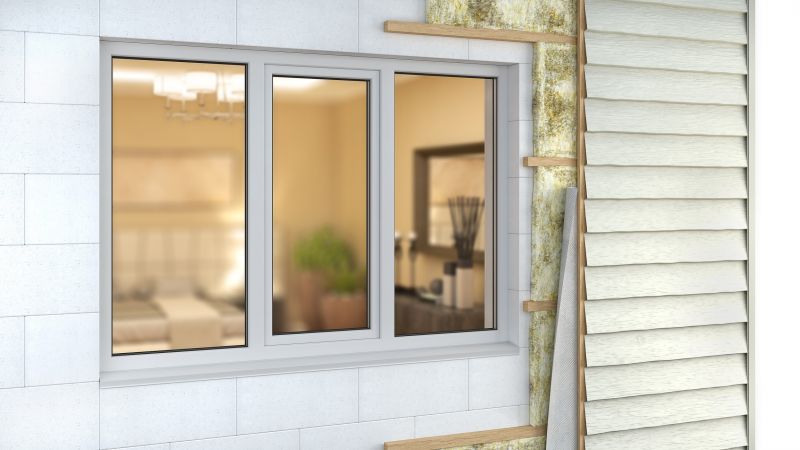
Ways to make Cement Cladding Installations work in tight or awkward layouts.
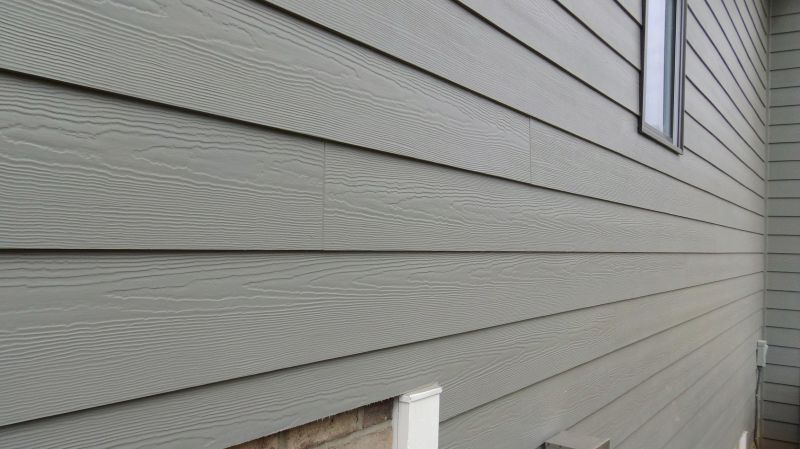
Popular materials for Cement Cladding Installations and why they hold up over time.
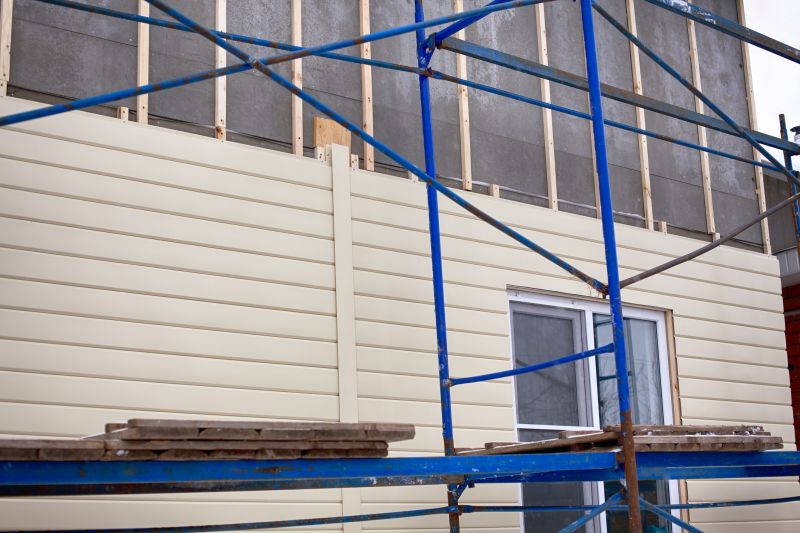
Simple add-ons that improve Cement Cladding Installations without blowing the budget.
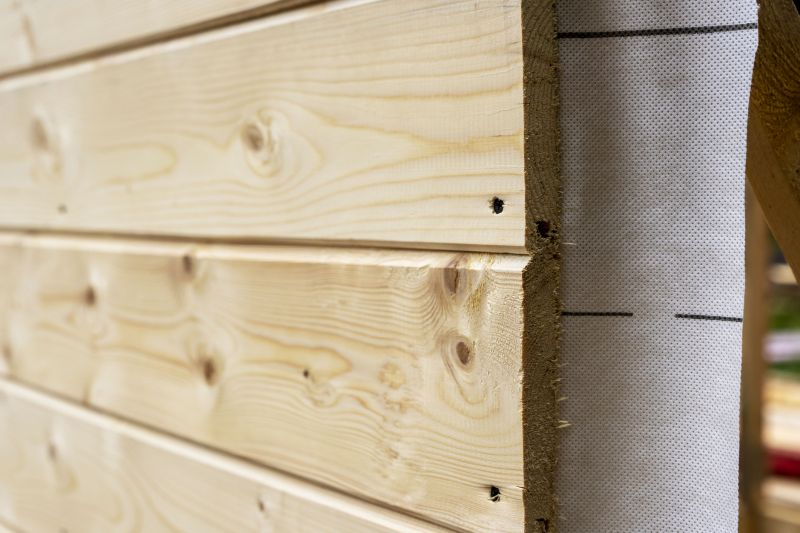
High-end options that actually feel worth it for Cement Cladding Installations.
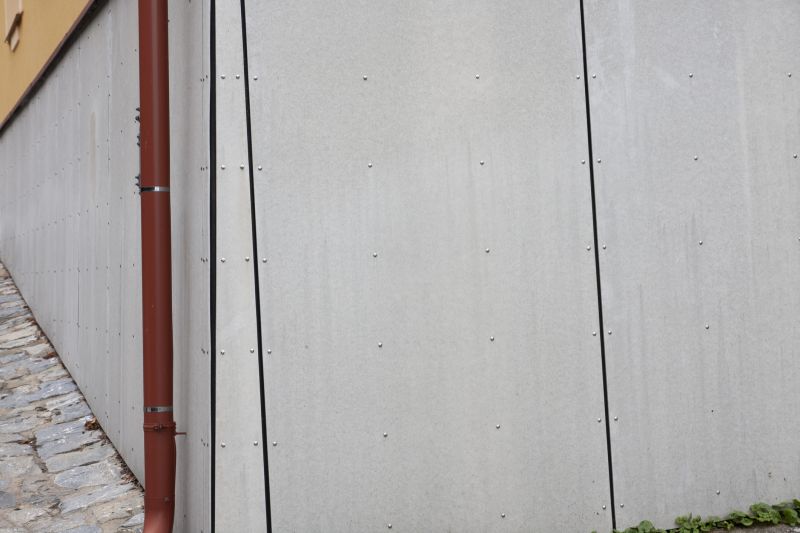
Finishes and colors that play nicely with Cement Cladding Installations.

Little measurements that prevent headaches on Cement Cladding Installations day.
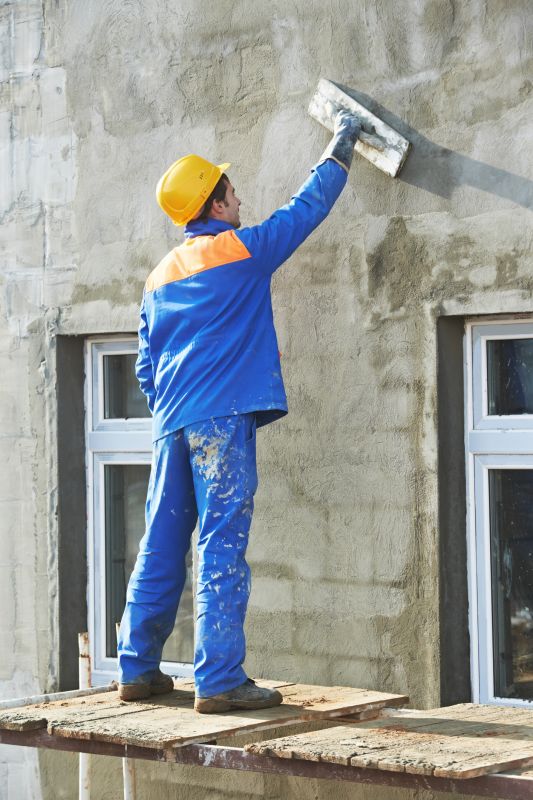
A 60-second routine that keeps Cement Cladding Installations looking new.
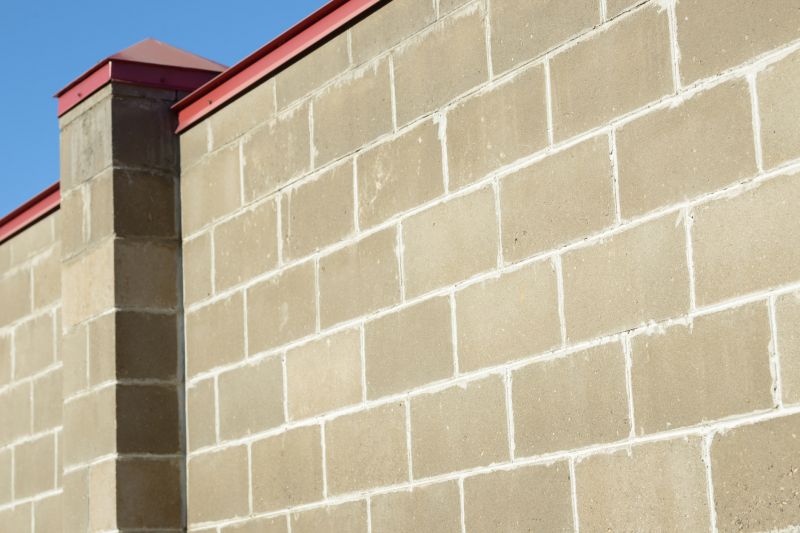
A frequent mistake in Cement Cladding Installations and how to dodge it.
| Factor | Best Practice |
|---|---|
| Temperature | Install when temperatures are between 10°C and 25°C |
| Humidity | Schedule during dry, low-humidity periods |
| Rainfall | Avoid during rainy seasons or forecasted rain |
| Wind | Choose days with minimal wind to prevent debris and dust |
| Surface Preparation | Complete surface prep before optimal weather windows |
Cement cladding installations are a durable and versatile option for building exteriors, offering resistance to weathering and fire. Proper timing enhances the longevity and appearance of the cladding, ensuring it performs as intended over the years. Accurate scheduling and weather considerations are essential for achieving optimal results, reducing the risk of defects and rework.
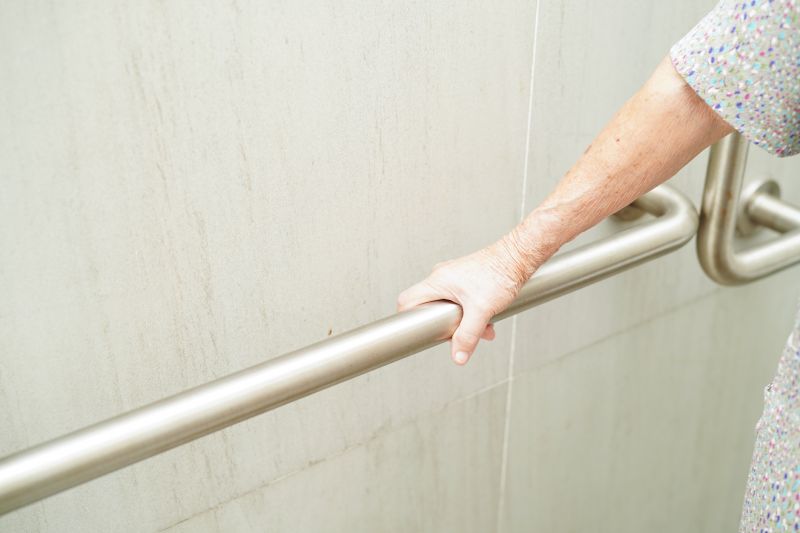
Small tweaks to make Cement Cladding Installations safer and easier to use.

Lower-waste or water-saving choices for Cement Cladding Installations.
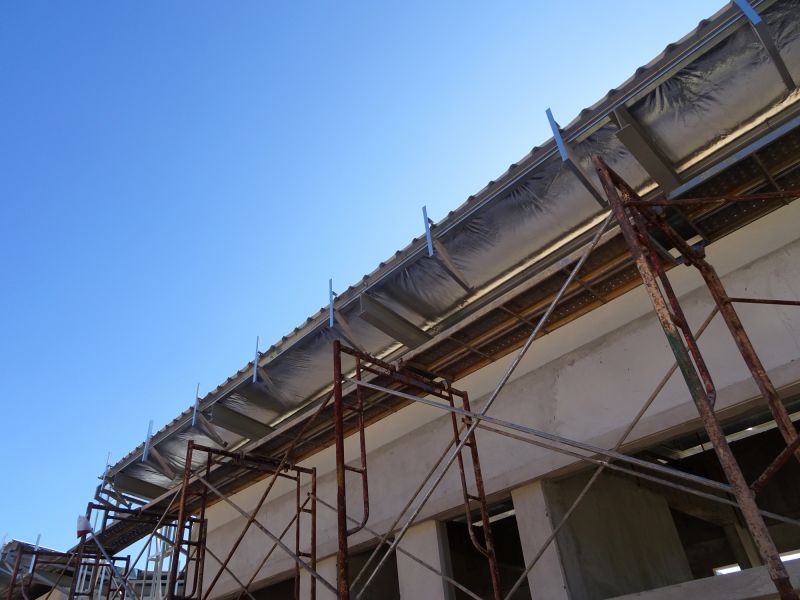
The short, realistic tool list for quality Cement Cladding Installations.
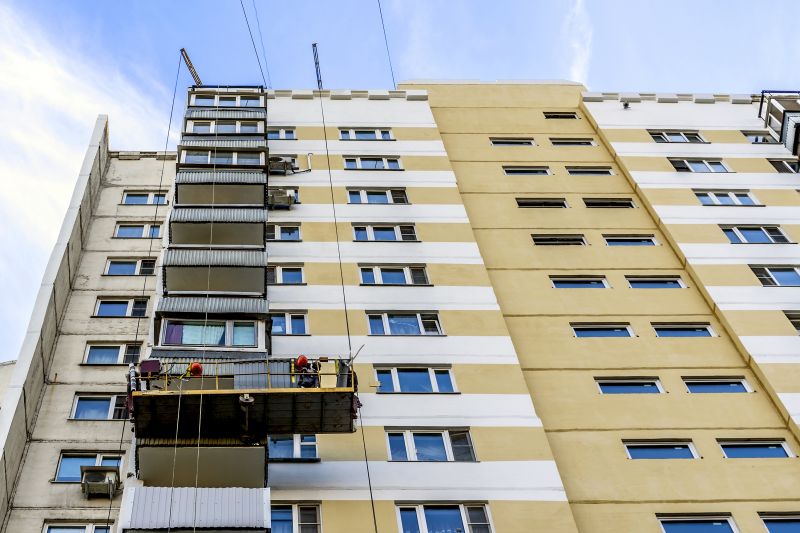
Rough timing from prep to clean-up for Cement Cladding Installations.
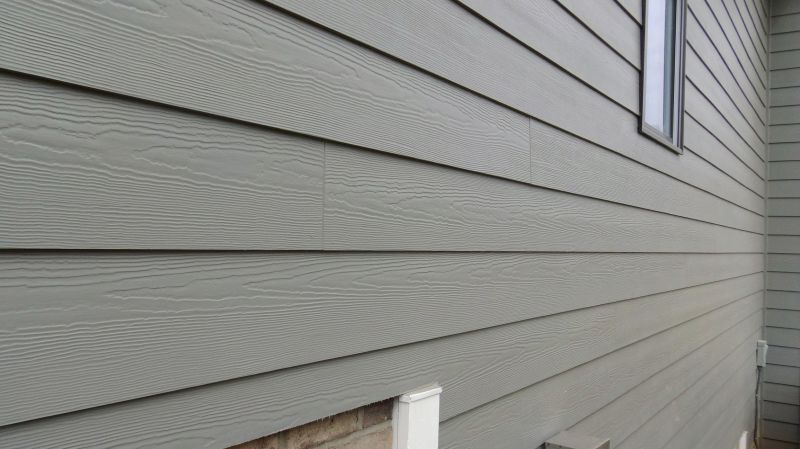
Quick checks and paperwork to keep after Cement Cladding Installations.
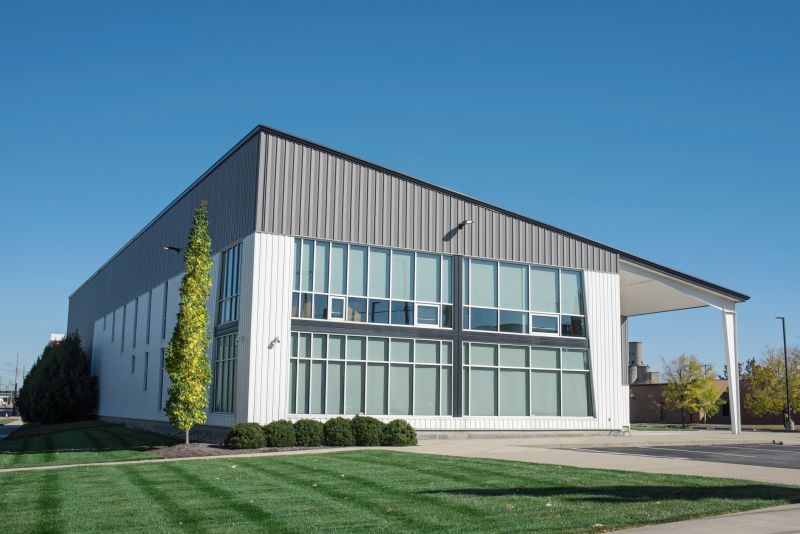
Examples that show the impact a good Cement Cladding Installations can make.

Ways to make Cement Cladding Installations work in tight or awkward layouts.

Ways to make Cement Cladding Installations work in tight or awkward layouts.
Interested in scheduling a cement cladding installation? Filling out the contact form can provide detailed information tailored to specific project needs and timing preferences. Proper planning and timing are crucial for achieving the best results and ensuring the durability of the cladding system.